November 2026 (Castellón Plaza)
David Pérez Solves
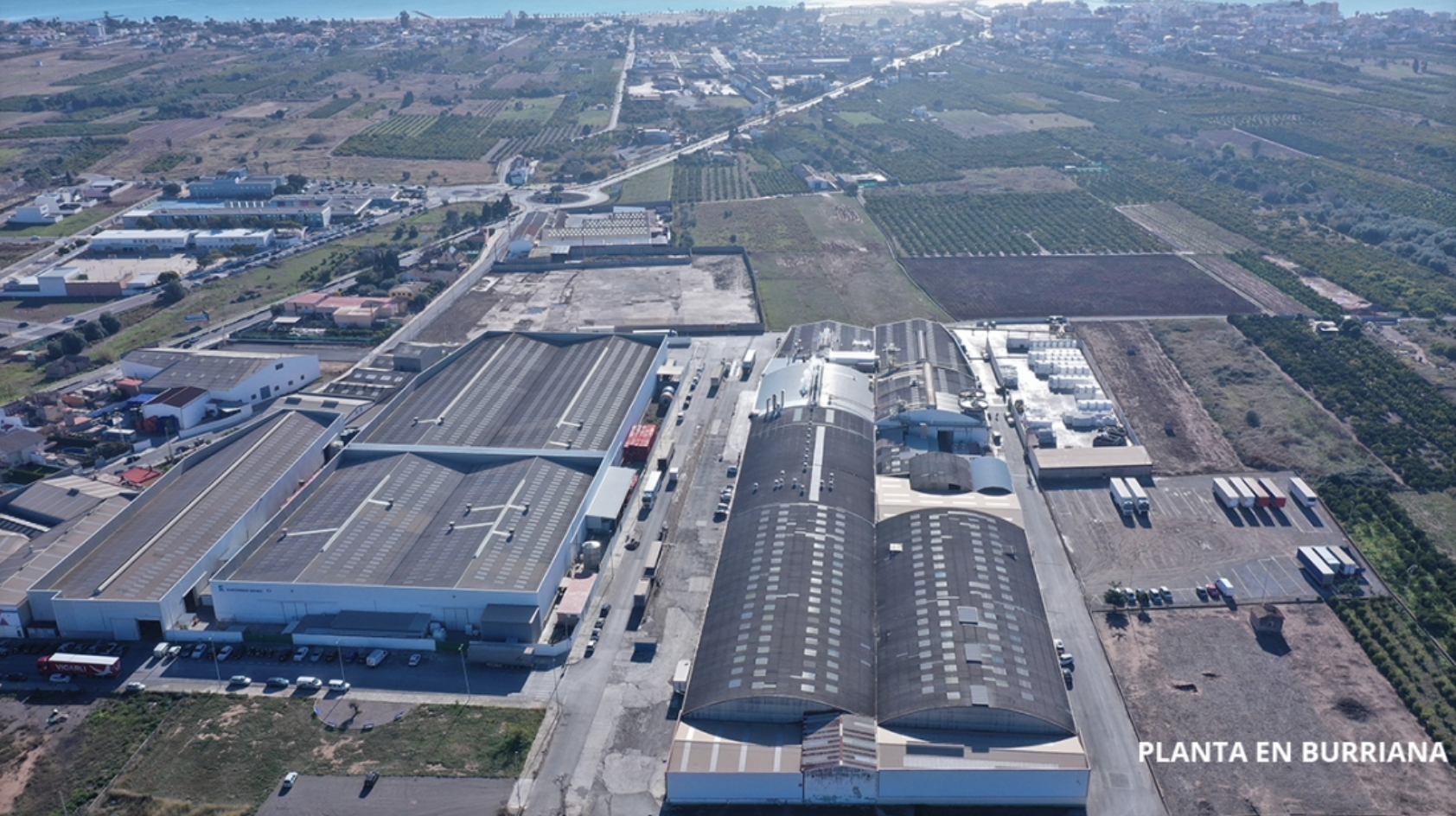
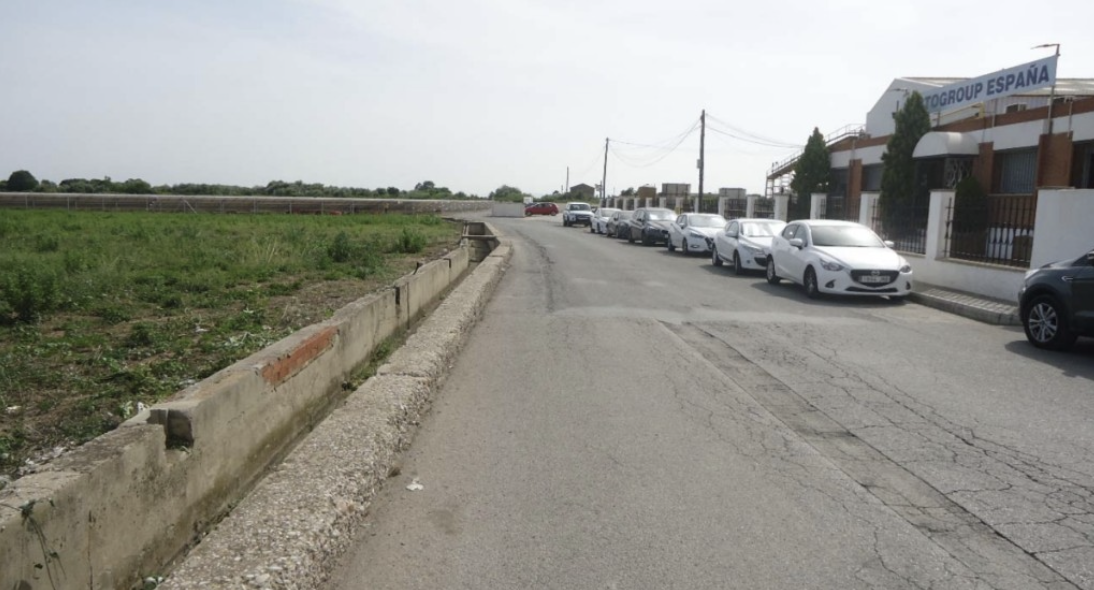
CASTELLÓ. Kartogroup España’s Managing Director, Jordi Canals, says the company will select a construction contractor and begin urban development works around its factory in Burriana, in the Camí Xamussa Development Unit, “very shortly, once the land readjustment has been registered with the Land Registry”. The company, which is also acting as the development agent, plans to invest €2,317,150 in these works.
Last April, the City Council approved the land readjustment project for the industrial area, the last major administrative step still pending. Kartogroup España, a manufacturer of tissue paper for household and sanitary use, has increased its ownership of the sector’s 36,086 square metres of land from 39.29% when it first initiated the Integrated Action Programme (PAI) process to its current 80.06%.
In May, the company had already paid the City Council €127,465 in compensation for the transfer of the 5% of development rights to which it is entitled.
The works will provide the factory and its surrounding area with all the necessary infrastructure and services, including a sewage network, public lighting, low- and medium-voltage electricity networks, water supply, telecommunications systems and asphalt road surfacing. In addition, a perimeter road will be built to ensure that the industrial facility is connected to the surrounding areas that have already been developed.
A 14,800-square-metre logistics warehouse
At the same time, since March 2020, Kartogroup España has been pursuing the approval process for Amendment No. 43 to Burriana’s General Urban Development Plan (PGOU). This amendment will regulate the land located between the production plant and the fruit and vegetable processing facilities owned by Hermanos Sanahuja, where the company plans to build a 14,883-square-metre logistics warehouse.
The City Council approved Amendment No. 43 in October 2022. Subsequently, in March 2023, Kartogroup began the process of securing approval for the Integrated Action Programme (PAI) to develop Development Unit C-2/3, which covers the land earmarked for the logistics warehouse, according to Canals.
The upcoming urban development works around the Burriana factory and the longer-term planning of the new logistics warehouse come at a favourable time for the company. Kartogroup España plans to invest €8 million in developing a biomass power plant that will enable it to reduce by 60% its consumption of natural gas, which it currently uses to meet the factory’s energy requirements in Burriana.
A 7.5-megawatt saturated steam boiler, powered by locally sourced biomass from forestry and agricultural waste, including citrus, almond and apricot crop residues, will replace the energy currently supplied by natural gas-fired steam boilers.
Regional government funding
The Valencian Regional Government (Generalitat Valenciana) will finance €3.1 million of the €8 million investment through a grant allocated to strategic industrial projects. In addition to reducing dependence on natural gas, the biomass plant will prevent the release of 10,000 tonnes of carbon dioxide into the atmosphere each year, according to the company.
The planned works around Kartogroup España’s facilities add to the improvements carried out in recent years in other industrial areas of Burriana. One example is the Carabona industrial estate, where the Valencian Institute for Business Competitiveness (Ivace) invested €169,230 in 2024.
Construction company Rayso Servicios 2014 carried out the second phase of improvement, modernisation and infrastructure development works. These included extending the cycle lane network along Bronze, Ferro, Oxígen and Zinc streets, as well as upgrading the lighting in the landscaped area between Bronze Street and Camí La Ratlla.
The works also included installing a picnic table with benches, pruning and clearing existing trees, repairing several sections of pavement, filling potholes in the road surface and replacing damaged vertical road signs.