November 2026 (Castellón Plaza)
Joan Mestre
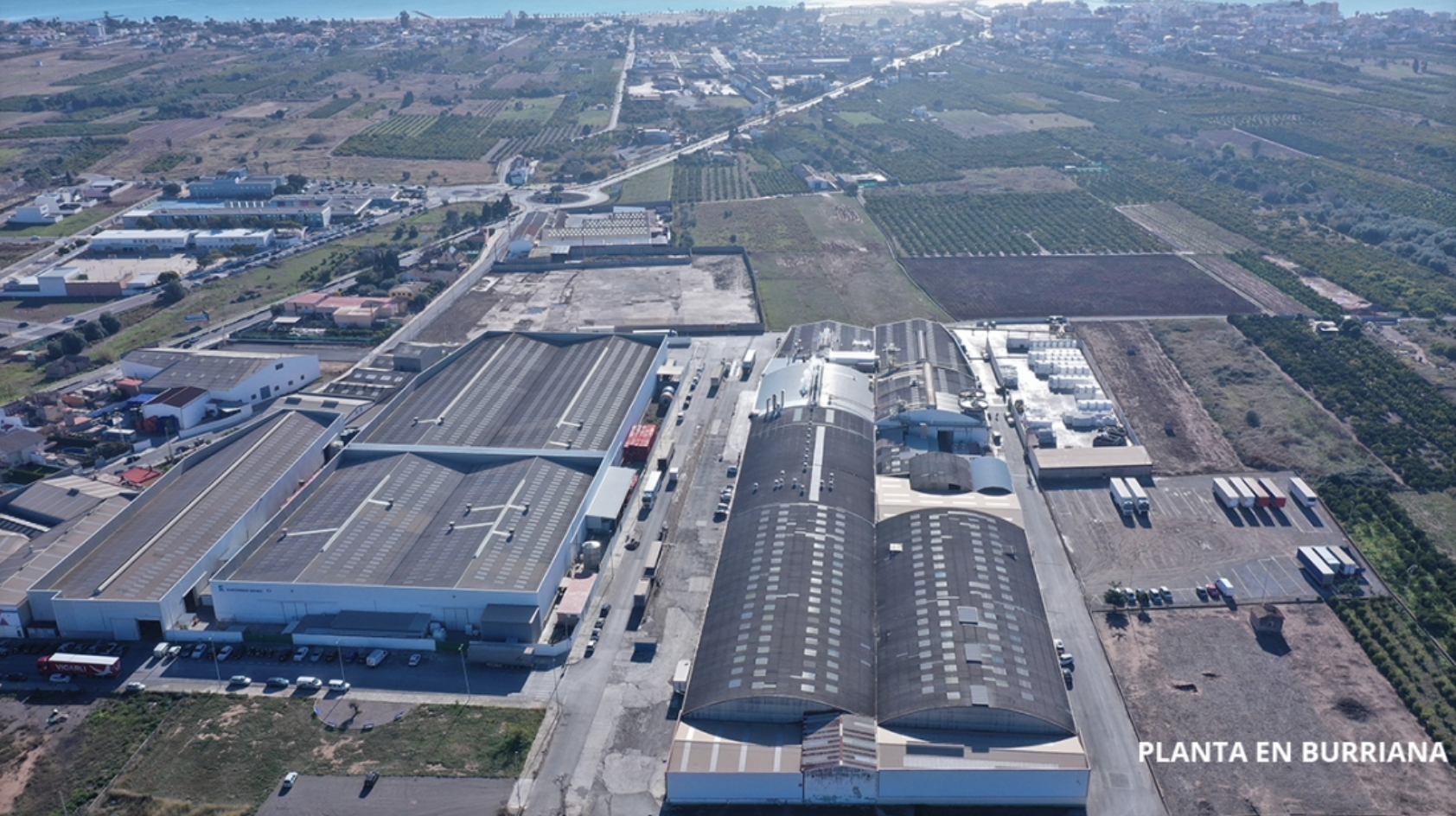
CASTELLÓ. Kartogroup España’s plant in Burriana, which specialises in the manufacture of tissue paper, is set to take a major step towards decarbonisation with an €8 million investment in a biomass power plant. The facility will enable the company to replace the natural gas currently used to meet its energy needs. The project is moving forward following the award of a €3.1 million grant under a Generalitat Valenciana funding scheme for strategic industrial projects. According to the company’s forecasts, the initiative will prevent the release of 10,000 tonnes of CO₂ per year.
LThe project involves the installation of a 7.5 MW saturated steam boiler powered by locally sourced biomass derived from forestry and agricultural waste, including residues from citrus, almond and apricot crops. The new system will replace the energy currently supplied by natural gas-fired steam boilers.
The project can now get underway following confirmation of the grant awarded by the Regional Ministry of Industry, published on Tuesday in the Official Gazette of the Generalitat Valenciana (DOGV). A total of nine companies across the Valencian Community have benefited from the funding scheme, three of them based in the province of Castellón. According to the schedule published by the regional government, Kartogroup’s project will run from 2026 to 2028, with most of the investment expected to take place in 2028.
Kartogroup has therefore earmarked a significant investment to advance its energy transition. The transformation will strengthen the company’s energy independence and reduce its reliance on imported natural gas, against a backdrop of instability in the Middle East and fluctuations in fuel prices. The tissue paper manufacturer belongs to the Cominter Group, headquartered in L’Hospitalet de Llobregat. Its Burriana plant generates annual revenue of nearly €100 million and employs more than 200 people.
Lower Emissions and a Boost for the Circular Economy
The Burriana-based factory highlights that the initiative will contribute both to reducing emissions and to promoting the circular economy. The company’s management emphasises that the project will help Spain make progress towards the targets set out in its National Integrated Energy and Climate Plan (PNIEC) through several measures.
First, it will reduce atmospheric CO₂ emissions by 10,000 tonnes annually. It will also promote the circular economy by making use of agroforestry waste to generate energy, helping to ensure more sustainable resource management and reduce waste.
The company also points to the boost the new facility will provide to rural development, both through the economic activity associated with biomass supply and through job creation. In addition, the project will improve energy security by diversifying energy sources and reducing dependence on imported fossil fuels.
Finally, the company notes that the project will help prevent forest fires by clearing woodland areas and making productive use of the plant waste collected.